Vulnerable Women
"Why didn't you help her?"

“I felt sick when I saw them—women as vulnerable as it gets. One with nothing, one with everything, yet both unprotected. I stayed, I watched, I photographed. Not to judge, not to fix, but to witness. Sometimes a picture is the only help I can give.”
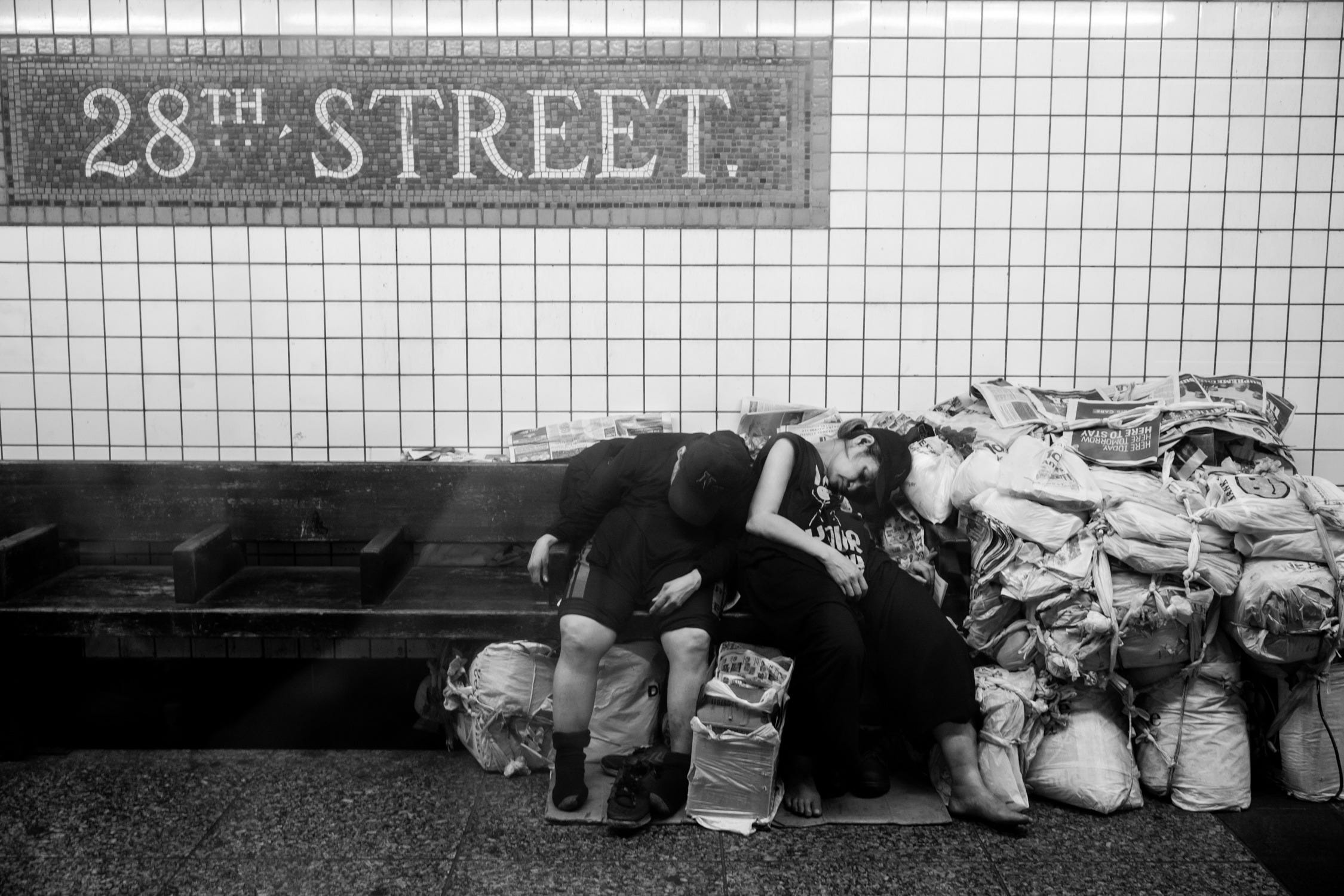
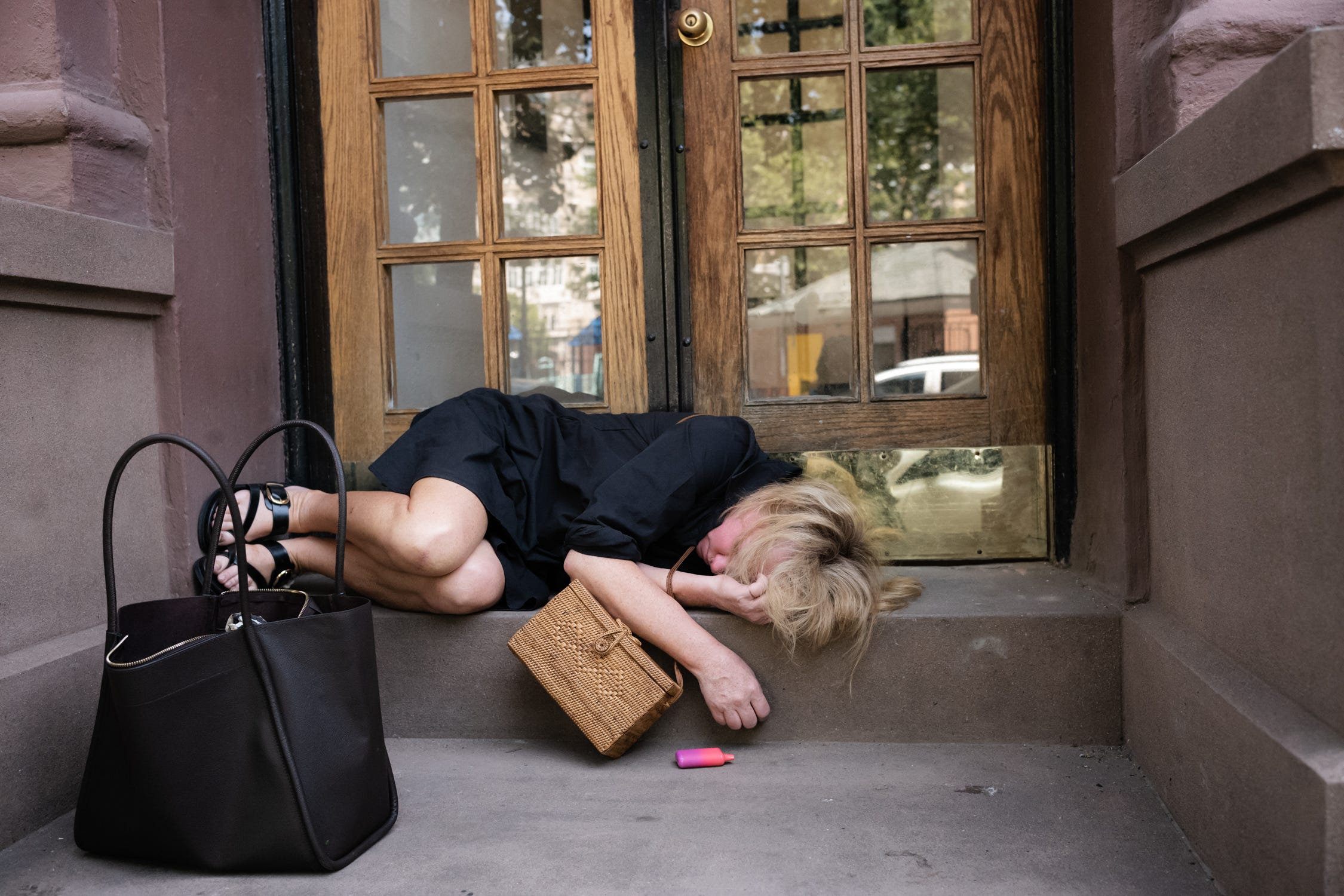
I feel sick in my stomach when I see women exposed to the elements sleeping outside on the street. The case of these two women deserves to be heard, studied and discussed.
The woman on the left is a poor young mother. Her sleeping child is nestled into her side.
The mother is pressed against a stack of unworldly belongings wrapped and tied together neatly, maybe it’s all the possessions they had. I doubt they had any money to rent a room for the night. They occupied a long wooden bench in the subway. They were tired, poor, and without a safe place to call home.
The second woman appears to have money because of the way she is dressed. Her expensive bag is on the ground in front of her. Yet she too has surrendered herself to the fate of the homeless for some reason, she sleeps on the cold concrete. These two women were in harms way and as vulnerable as it gets. My instinct was to photograph them because without the photograph would anyone ever believe what I saw I believe a single photograph can do more to help than harm, and is it better than waking them up to ask questions or to get them sent to a homeless shelter. Some people might say its better not to take any photographs at all. Photographers have the ethical obligation to take the picture, to document the truth as they see it.
Some women don't feel safe sleeping in shelters. They would rather take their chances on the street. Some women don't feel safe in their homes. Domestic violence is the number one cause for women and children becoming unhoused.
Mostly I photograph to remember. I walk with my camera. It goes where I go. prepared to capture the truth of the day as I see it.
On Helping
When I am asked why I took a picture instead of helping, the way I help is taking a picture.
I am a photographer. My instinct is to bear witness.
Could I have changed their situations in that moment? Perhaps. I offer food or money, conversation. I have called 911 when a person looked like they might die. Those gestures while kind, do not change the root cause of why a woman, black or white, rich or poor, old or young, may wind up sleeping on a stoop or in a subway.
A photograph is not a bed, or a meal, or a roof. A photograph is a request to be seen, and hopefully to help others to understand. A photograph carries the presence of the unseen into spaces where it might stir discomfort, anger, or self-recognition. A photograph insists that this happened, that it is still happening, that we live in a world where a woman sleeps against a locked door, another on a subway bench surrounded by garbage.